
One of the most important decisions in a remodel comes down to color.
Whether we're choosing cabinet stains, wall paint, tile, countertops, or flooring, we must consider how these colors interact. But color is also influenced by light, time of day, and even the seasons.
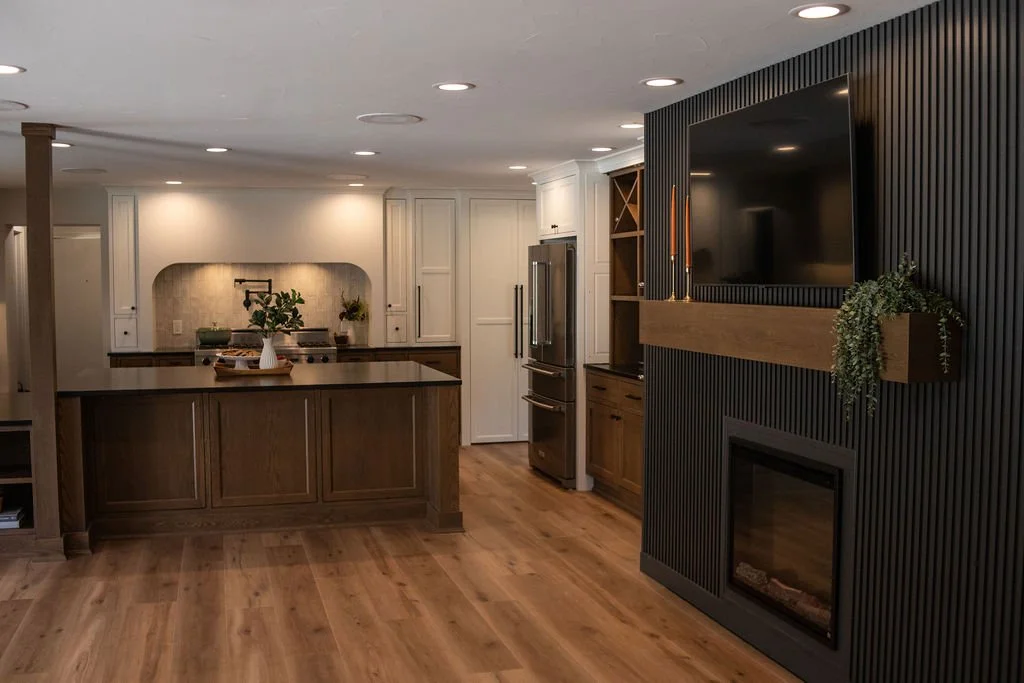
Here in West Michigan, it's easy to forget our dreary winter days when choosing colors in the warmth of summer! A color that looks beautiful in summer sunlight may feel entirely different under January's gray skies.
So, how do we choose colors that work together without becoming overwhelmed by decisions?
1. Consider the Space
Before choosing colors, understand the room.
Is it large with tall ceilings or small and intimate? Does natural light flood the room, or does it depend on artificial lighting? How does the sunlight change throughout the day?
And what is the room's purpose? A kitchen, bathroom, or bedroom each calls for a different atmosphere.
Before choosing a room's colors, we must first understand the room itself.
2. Consider the Fixed Elements
Cabinetry, flooring, countertops, showers, and architectural details form the foundation of a room's color palette.
Consider their prominence. A large tiled shower will influence a bathroom's appearance far more than a toilet tucked away in a water closet.
Pay attention to undertones, too. Two materials may appear similar in color but have very different warm or cool undertones.
Beautiful materials don't necessarily make a beautiful room. It's how they interact that matters.
3. Consider Fixtures and Furnishings
Faucets, cabinet hardware, lighting, rugs, and furniture may seem like smaller decisions, but they can dramatically influence a room's character.
Perhaps you've fallen in love with a beautiful faucet you saw in a magazine. But will it complement your cabinetry, tile, and countertops?
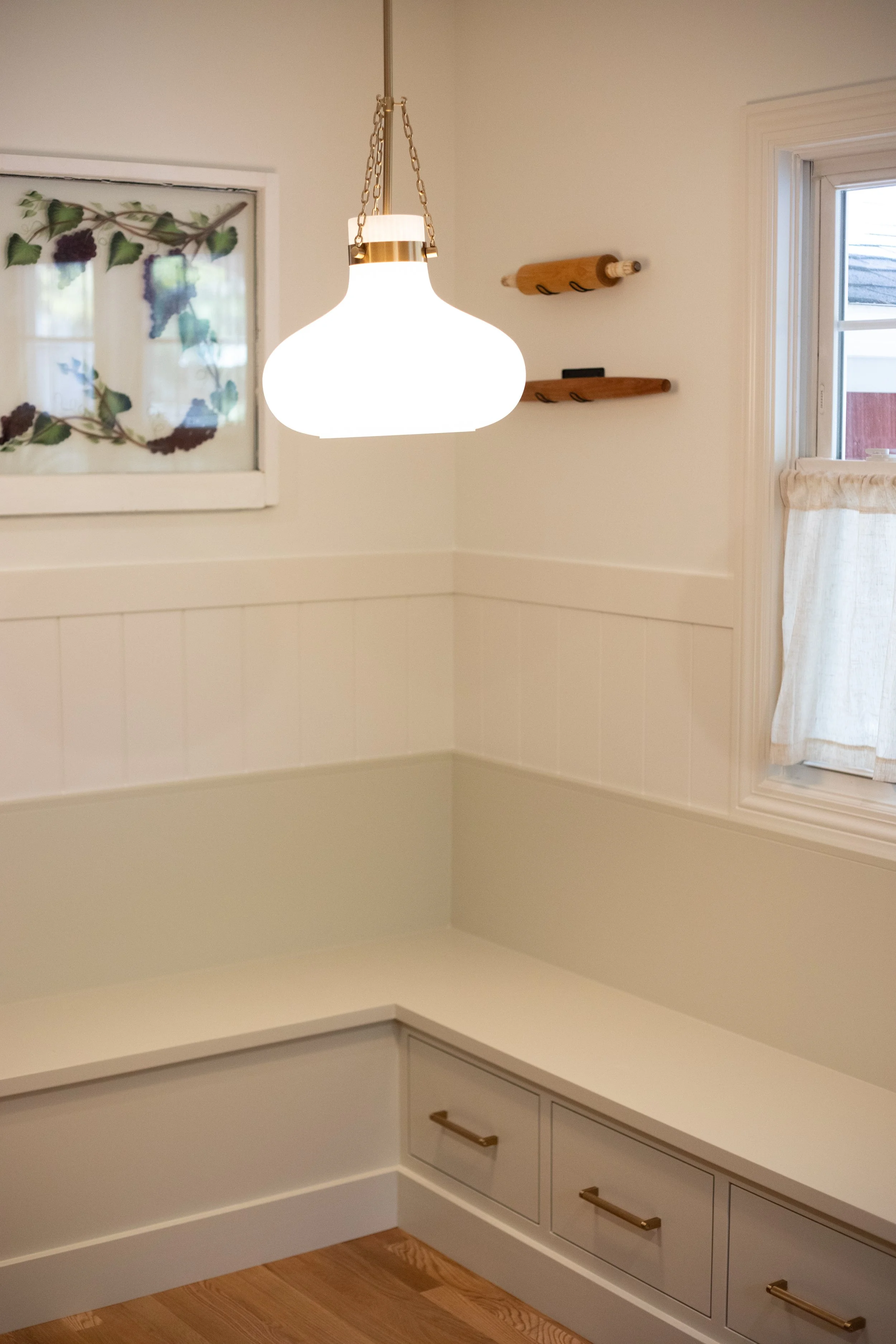
Every detail should contribute to the overall design rather than compete for attention.
4. Craft a Thoughtful Color Plan
Now bring everything together.
And no, everything doesn't need to be matchy-matchy!
Contrasting colors, different wood tones, and natural materials can work beautifully together when chosen intentionally.
Bring samples into the actual space. Observe how they interact in natural and artificial light, and pay attention to undertones.
Most importantly, don’t settle for your ideal color before construction begins. Yes, have a plan, but be flexible enough for that color palette to evolve during construction. You just cannot foresee from a sample what a large tiled shower may do to the wall color selections once installed.
At Restorative Homes, we help homeowners throughout Holland, Grand Rapids, and West Michigan create thoughtfully designed spaces that feel like home.
Functional design for intentional living.
Welcome home.
